 ShipPathway
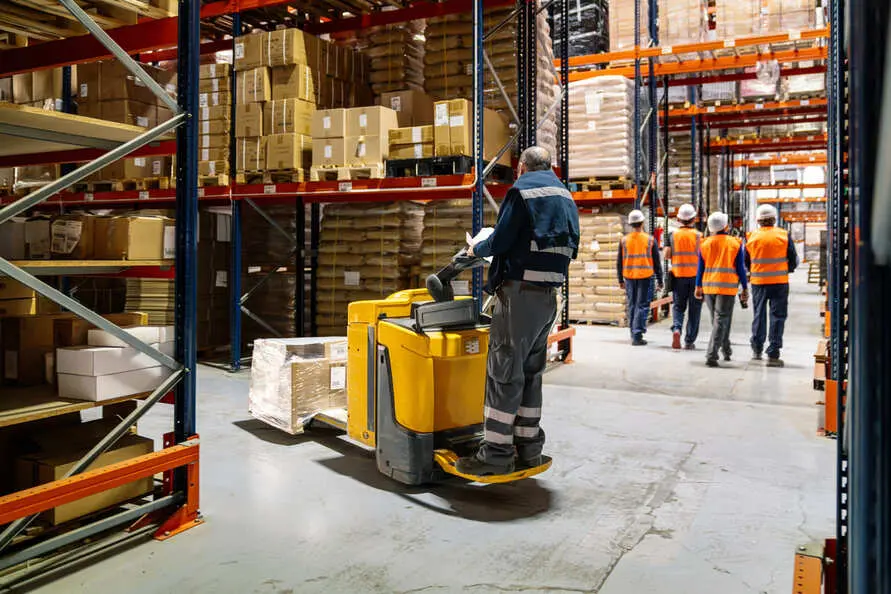
A 3PL, or third-party logistics provider, is an outside company that stores your inventory and ships your orders for you. That's the simple answer. But many founders assume every 3PL works the same way and pick the cheapest quote, which is one of the most expensive mistakes in eCommerce. Here's what a 3PL actually does, what it can offer, and why two 3PLs that look the same on paper can be very different decisions.
What does 3PL mean?
3PL stands for third-party logistics. It refers to any outside company that handles your warehousing and order fulfillment, so you don't have to store and ship products yourself.
A 3PL's core offering is usually two things:
- Storage (warehousing): keeping your inventory safe, organized and tracked.
- Pick, pack and ship: picking the right products for each order, packing them, and handing them to a carrier like UPS, USPS or FedEx.
How a 3PL works
Once you sign with a 3PL, the process usually looks like this:
- You send your inventory to the 3PL's warehouse, often straight from your manufacturer.
- The 3PL receives and stores it. They count it, check it and add it to their inventory system.
- Your store connects to their system. Platforms like Shopify and Amazon send orders to the 3PL automatically.
- Orders get picked, packed and shipped. When a customer orders, the 3PL fulfills it.
- Tracking goes back to your customer. The tracking number syncs to your store and your customer is notified.
Additional services some 3PLs offer
Beyond storage and fulfillment, some 3PLs offer extra services, such as:
- Freight forwarding: moving your inventory from the factory to the warehouse
- Customs clearance: handling import paperwork when inventory crosses a border
- Inventory insurance: coverage for the products they store for you
- Customer support: handling order-related customer questions
- Returns processing: receiving, inspecting and restocking returned items
These services can be valuable, but they're not standard. Never assume a 3PL offers them. Ask.
The biggest misconception: "All 3PLs are the same"
In my years on 3PL sales calls, the misconception I heard most was that fulfillment is simple: pick a product, put it in a box, hand it to a carrier. If that's all a 3PL does, price is the only thing that matters, right? So founders skip a proper evaluation and go with the lowest quote.
That's like saying all cars are the same. Every car gets you from point A to point B. But if you have three kids and a dog, a two-seater sports car is the wrong choice no matter how good the price is. Different models are built for different situations.
3PLs work the same way.
What makes one 3PL different from another
Four factors decide which 3PL is the right fit for your brand:
1. Your industry
Different products have different requirements. Supplements need lot and expiration date tracking. Perfume is classified as a hazardous material for shipping. Fragile products need strict packing standards. Not every 3PL is set up to handle all of these.
2. Your SKU count
A brand with 5 SKUs and a brand with 500 SKUs need very different storage and picking setups. The more SKUs you have, the more your 3PL's systems and accuracy matter.
3. Your order volume
Some 3PLs are built for brands shipping 100 orders a month. Others are built for brands shipping 10,000, and their monthly minimums reflect that. Choosing a partner built for your current volume, with room to grow, protects your margins.
4. Your overall requirements
Which channels you sell on, where most of your customers are located, and whether you'll need retail or wholesale fulfillment later all change which 3PL makes sense.
Two 3PLs can look almost identical on paper and have completely different long-term effects on your operations. That's why it's important to know what matters, and what to look out for, before you sign.
Frequently asked questions
What does 3PL stand for?
3PL stands for third-party logistics. A 3PL is an outside company that stores inventory and fulfills orders for other businesses.
What's the difference between a 3PL and a fulfillment center?
A fulfillment center is the physical warehouse where orders are picked, packed and shipped. A 3PL is the company that provides the logistics service, often operating one or more fulfillment centers.
What does a 3PL charge for?
Common charges include receiving inventory, storage, pick and pack, packaging materials and shipping. Some 3PLs also charge account fees or monthly minimums, so always review the full pricing structure, not just the per-order rate.
Do I need a 3PL?
It depends on your order volume, product type and how much time fulfillment takes away from growing your business. Many brands start by shipping in-house and move to a 3PL once order volume makes it worthwhile.
Need help choosing the right 3PL?
ShipPathway provides eCommerce supply chain consulting with no hidden agenda. Our goal is finding the setup that fits your brand, whether that's a 3PL or shipping in-house. and we'll help you figure out what makes sense for your stage.