 ShipPathway
Heat sensitivity
Some products, such as deodorants and liquids, can be damaged by high heat. If yours are sensitive, the warehouse needs to keep temperatures in check and track them.
A good 3PL for personal care packs liquids so they don't leak, monitors warehouse temperatures for heat-sensitive products, and can handle special items like aerosols. ShipPathway matches skincare, haircare and other personal care brands with vetted 3PLs that already handle these products, so you can compare three options and choose directly. Matchmaking is free for brands.
Last reviewed: November 2026.
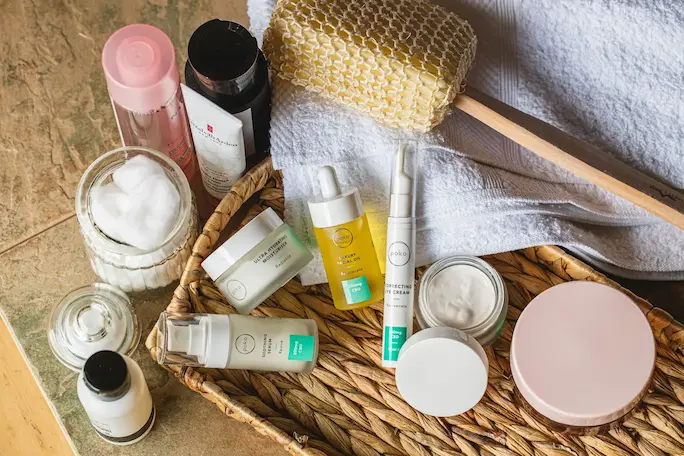
Personal care brands can range from about 10 SKUs to 70 or more, especially when a brand runs several lines, such as skincare and haircare under one umbrella. The products are small, so storage needs are usually light. If you sell shampoos, lotions, deodorants, dry shampoo or similar products, the sections below cover what to check.
Some products, such as deodorants and liquids, can be damaged by high heat. If yours are sensitive, the warehouse needs to keep temperatures in check and track them.
Products like dry shampoo are aerosols, which are regulated as dangerous goods and need special handling. In the U.S., aerosols typically ship as limited quantity by ground, and a package prepared for ground isn't automatically allowed on a plane, so air shipping can be restricted.
Shampoos and other liquids can leak in transit if they aren't packed properly. Packing has to be matched to the product, not applied the same way to everything.
Many skincare and haircare products expire after one to two years. They don't need the strict controls that supplements do, but you don't want them sitting in the warehouse too long.
Personal care products are lightly regulated. A warehouse that only stores and ships cosmetics generally isn't required to register with the FDA under the Modernization of Cosmetics Regulation Act, though FDA registration is a good thing to have. Products that make drug claims, such as sunscreen or antiperspirant, can fall under different rules, so ask your 3PL about your specific products. What matters most is that the 3PL already works with personal care brands, so orders aren't packed incorrectly.
New brands are often unaware of which packaging works best for their products, and they assume all 3PLs are the same or will know how to pack their products. That can be true of an experienced 3PL, but it isn't the rule. Some 3PLs advertise the cheapest packaging, like bubble mailers, and brands can be tempted by cost-effective options. The result is leakage and breakage on the first orders, when the first impression matters most.
Shipping liquids in boxes, and adding fragile packaging or wrapping around lids, raises the packing cost. It's usually worth it, since a leak on a first order is expensive in refunds, replacements and lost customers.
It depends on your final product packaging. 3PLs can add tape or dunnage around caps and lids so nothing leaks if the product is squeezed in transit, and shipping in boxes with plenty of dunnage helps prevent leaks and breakage. Packing rules can be set per product so liquids are always packed correctly. Ask how the 3PL does this and which packaging options they offer.
Not every 3PL can. Aerosols are regulated as dangerous goods, and even 3PLs that handle other dangerous goods may not take them, since each UN number has its own storage, labeling and shipping requirements. In the U.S., aerosols typically ship as limited quantity by ground, and a ground package isn't automatically allowed by air. ShipPathway can help you find a 3PL that ships aerosols.
No, it's not required, but it's a good thing to have. Warehouses that only store and ship cosmetics are generally not required to register under the Modernization of Cosmetics Regulation Act. Products that make drug claims, such as sunscreen or antiperspirant, can fall under different rules, so ask your 3PL about your products.
Not by default, but some operations can manage expiration dates at the software and storage level. Many skincare and haircare products expire after one to two years, so older stock should ship first and not sit in the warehouse too long. If your products need this, confirm the 3PL's software supports lot and expiry tracking with FIFO or FEFO picking before you sign.
It varies by warehouse setup and, above all, by state. Warehouses with general air conditioning are typically kept around 70-75°F (21-24°C). If your products need colder temperatures, look for a 3PL that specializes in cold-chain logistics. Ask how temperatures are monitored and logged, and what happens in heat waves, especially for deodorants, lotions or other heat-sensitive items.
Most 3PLs offer boxes, bubble mailers and poly mailers. The right choice varies by brand, but personal care products, especially liquids, usually ship best in boxes for protection and to prevent leakage, with exceptions. Cheap packaging looks cost-effective, but leaks on a first order hurt the most. Ask which options the 3PL offers and test packaging on a few orders before you scale.
Tell us about your products, and we'll shortlist three vetted 3PLs that already handle personal care. Free for brands.
Find My 3PL